Which camera to watch your dog or cat? Our comparison
Has your neighbour told you your dog barks when you leave? Does your cat seem stressed when you get home? A camera lets you see what really happens while you're away. It's often the first step to understanding a problem and choosing the right solution.
Why film your pet?
What a pet does when alone is often different from what we imagine. Filming your departures tells you:
- when they start barking or meowing, and how long it lasts;
- how they behave: sleeping, getting bored, pacing, scratching at the door;
- whether your efforts are working: the video shows progress week after week.
It's essential for working with a dog who barks when left alone, and very useful to show your vet if you consult them.
What to look for
- Field of view: a pan-and-tilt camera (one that rotates) covers a whole room; a fixed camera needs to be well placed.
- Night vision: essential if your pet stays in a dark room or in the evening.
- Alerts: motion and sound (barking) detection so you're notified on your phone.
- Recording: on a microSD card (no subscription) or in the cloud (often paid). Check what's free before you buy.
- Privacy: choose a well-known brand, an account protected by a strong password, and a camera you can switch off when you're at home.
- Wi-Fi: many cameras only work on 2.4 GHz Wi-Fi; check your router.
The 4 types of camera compared
| Type | Strengths | Limitations | Who is it for? |
|---|---|---|---|
| Fixed Wi-Fi camera | Simple, discreet, often the cheapest | Limited field of view | Small homes, a single room |
| Pan-and-tilt camera | Rotates to follow your pet, covers the whole room | Slightly bulkier | Most households |
| Treat-dispensing camera | Lets you reward remotely | More expensive, needs filling and cleaning | Those who want to interact |
| Outdoor camera | Weatherproof | Pointless for an indoor pet | Dogs who stay in the garden |
1. The fixed Wi-Fi camera
Placed on a piece of furniture, it films one angle of the room. It's the simplest solution for a studio flat or if your pet always stays in the same spot. Put it up high, facing where they rest or the front door.
With night vision and microSD card recording.
2. The pan-and-tilt camera: the best all-rounder
You rotate it remotely from your phone and it can follow your pet's movements. A single camera is often enough for a large room. Choose a model with sound detection so you're alerted to barking or meowing.
360° rotation, night vision and sound alerts.
3. The treat-dispensing camera
As well as filming, it tosses a treat when you tap your phone. Furbo and Petcube are well-known brands of this type. It's handy for rewarding a calm dog while you're out, as part of gradual training. Be careful: tossing a treat just to “comfort” them when they bark risks rewarding the barking.
Check the treat sizes it accepts and which features are available without a subscription.
4. The microphone feature: use with care
Most cameras let you talk to your pet. Some pets find it reassuring, but many are confused by hearing your voice without seeing you: they look for you, get restless or bark even more. Test it first while you're in another room, and watch their reaction before using it remotely.
Mistakes to avoid
- Watching without acting: the camera is there to help you understand, then to follow a real training plan.
- Choosing without checking the subscription: some features (history, smart alerts) are paid.
- Placing the camera too low: your pet may knock it over or chew the cable. Secure cables out of reach.
- Using an anti-bark collar as well: it's a punishment that doesn't address the cause. Why we advise against it.
Go further: dog barking when left alone · which enrichment toys for a dog left alone? · desensitisation · the cat guide.
Read next
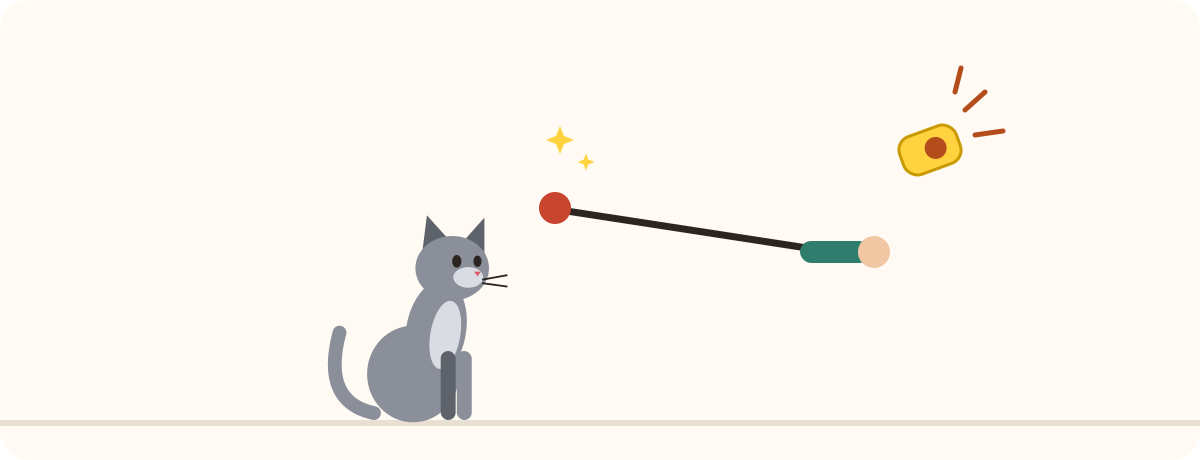
Clicker Training for Beginners: Dogs and Cats
Charging the clicker, first exercises and mistakes to avoid: the step-by-step method for dogs and cats.
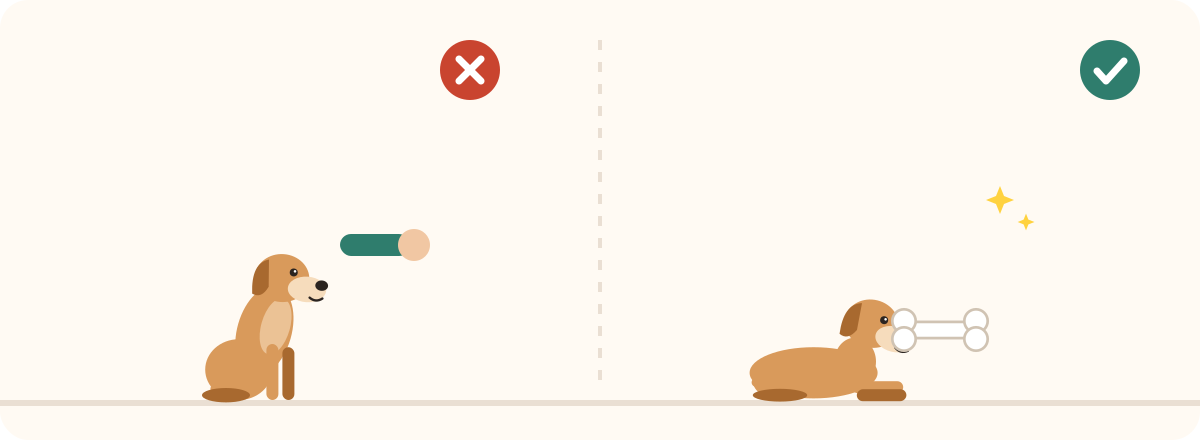
Best Puzzle Toys for Dogs: Our Comparison
Puzzles, snuffle mats, dispensers or hide-and-seek toys: which brain game suits your dog.
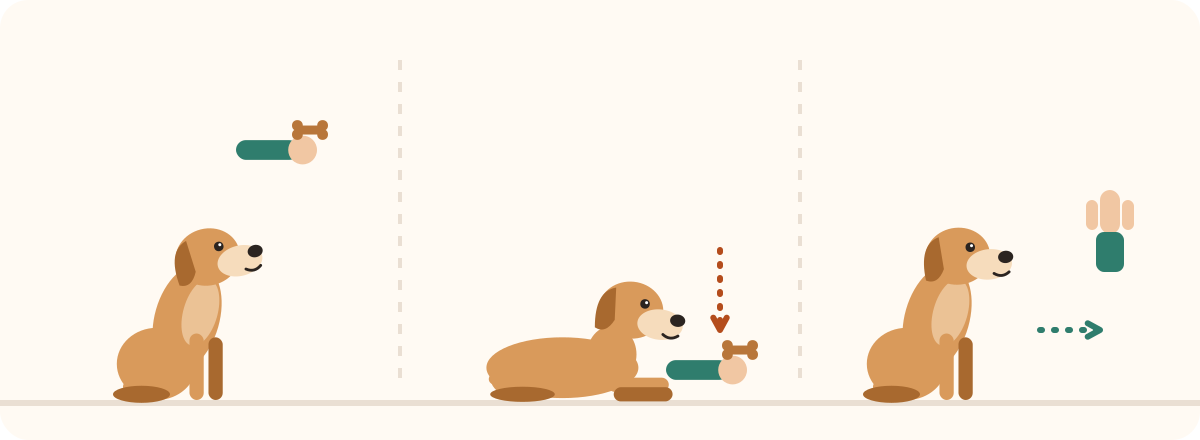
Teaching your dog "sit", "down" and "stay"
Luring for sit and down, then the "3 Ds" for a solid stay: the gentle method, step by step.