🧰 Recommended gear
Only accessories that fit kind, reward-based methods. No need to buy everything: start with the basic kit, then add what you need.
How to choose training gear
- Start small: treats, a treat pouch and, if you like, a clicker are enough to begin. Buy the rest as the need arises.
- Comfort first: a well-fitted harness, a lead that feels good in the hand, a stable scratching post. An uncomfortable accessory spoils learning.
- Never a tool that hurts or scares: no choke, prong, shock or anti-bark collars. We explain why in our methods.
- The right size: check measurements before buying, especially for a harness or a carrier.
For each type of product, our comparisons below explain the differences, who each one suits, and their limits.
Our practical guides

Best Toys for Indoor Cats: Which to Choose?
Feather wands, puzzle feeders, tunnels or tracks: the toys that truly fulfil an indoor cat.
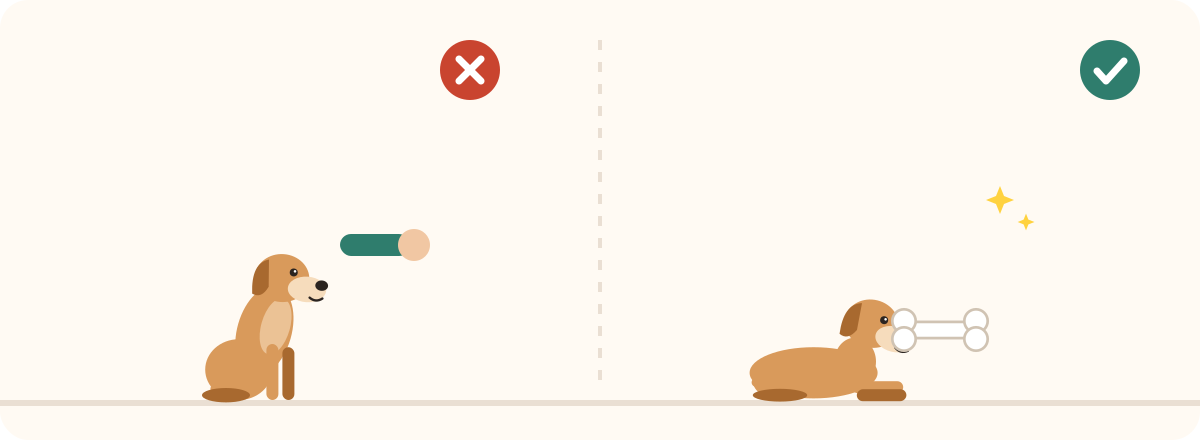
Best Puzzle Toys for Dogs: Our Comparison
Puzzles, snuffle mats, dispensers or hide-and-seek toys: which brain game suits your dog.
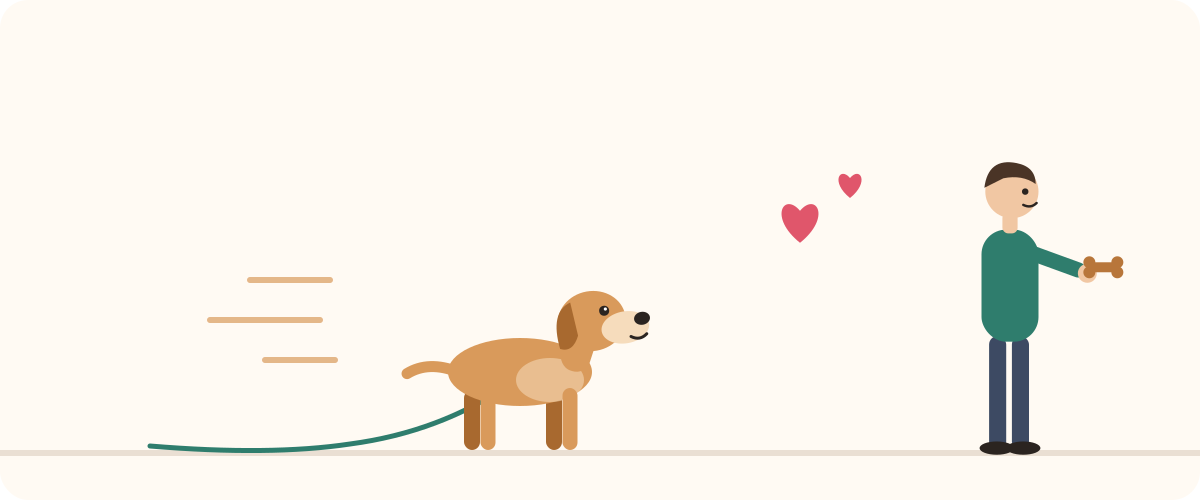
Which treat pouch to choose? The comparison
Clip, waist bag, silicone or vest: which pouch to choose to reward your dog at the right moment, at home and on walks.
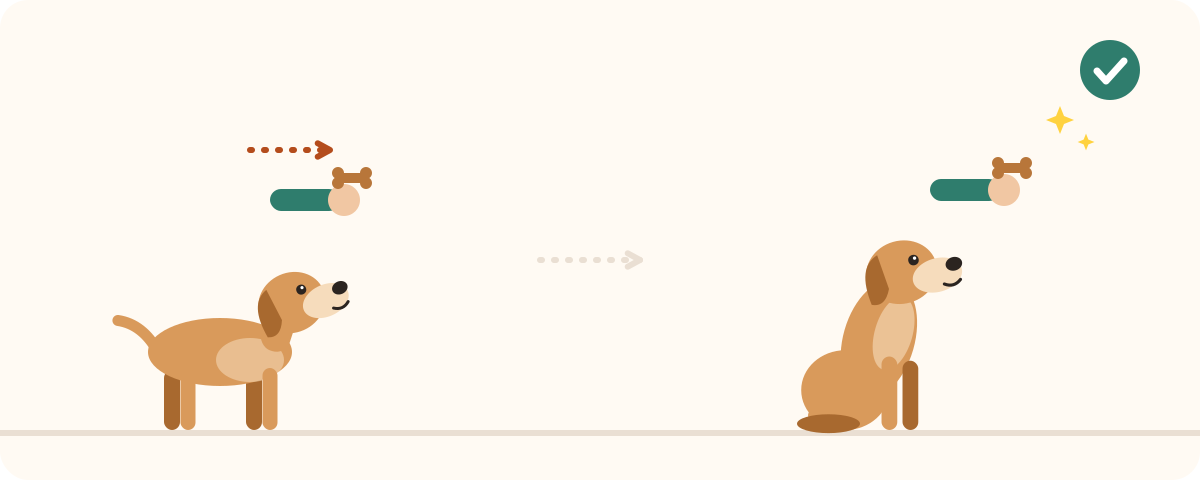
Which training treats for your dog? The comparison
Soft, dried, freeze-dried, tube or homemade: which treats to choose to motivate your dog during training.
Cat litter price comparison: real cost per month and which to choose
Clumping, plant-based, silica or clay: pros, cons and how to switch litter without upsetting your cat.
Best quiet dog toys for renters and dogs left alone: our comparison
Stuffable toy, lick mat, snuffle mat or treat ball: which one should you choose for a dog that stays home alone?
Which camera to watch your dog or cat? Our comparison
Simple, pan-and-tilt or treat-dispensing camera: which one to choose to watch your pet while you're away?
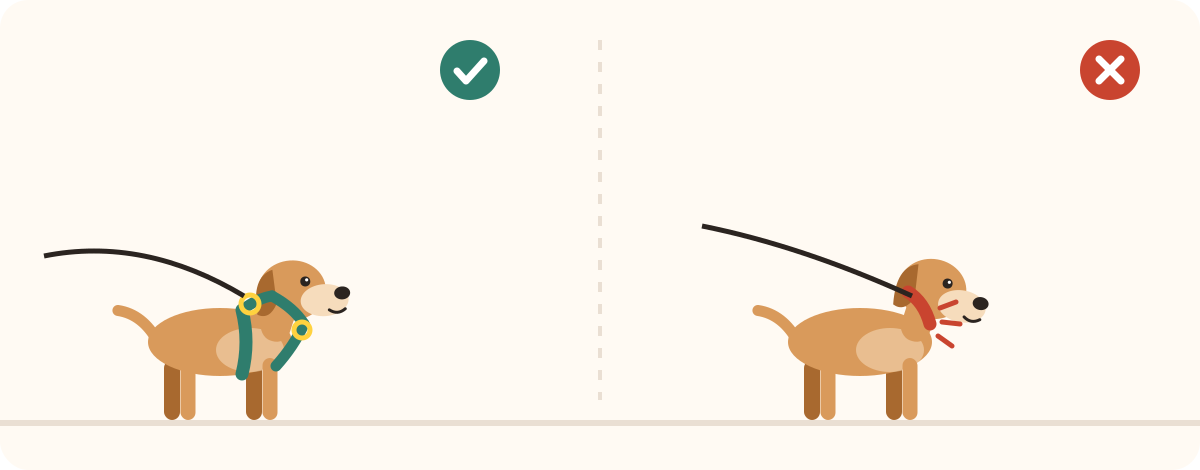
Which dog harness should you choose? Our comparison
The 5 types of harness compared, who each one is for, and how to get the right size.
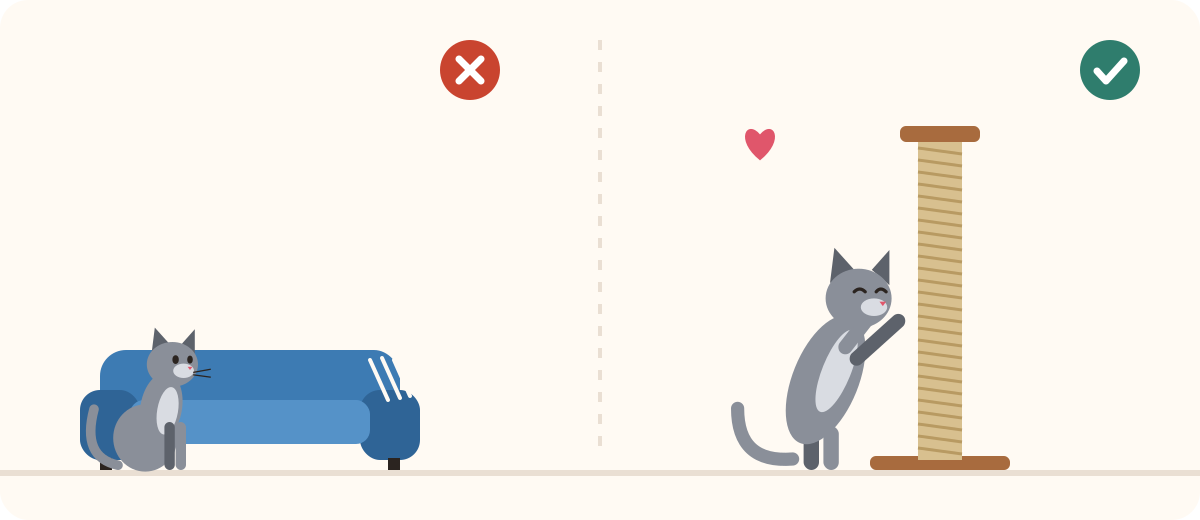
Which scratching post should you choose for your cat? Our comparison
The 5 types of scratching post compared, and the 4 criteria that decide whether a cat uses it… or ignores it.
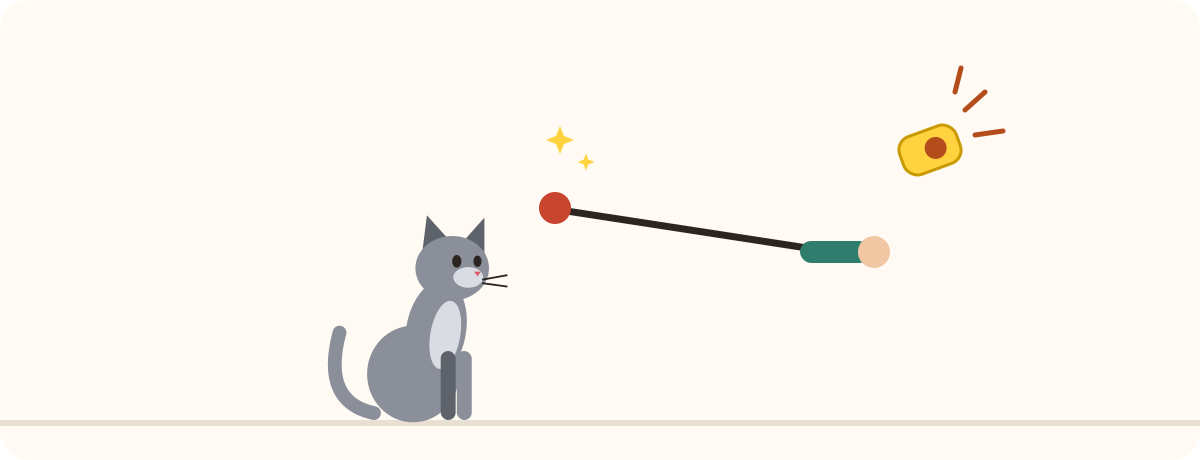
Best clicker for dogs and other pets: which one to choose?
The 4 types of clicker compared, which one to choose for your pet, and how to get off to a good start.
Basic kit (all species)
Clicker
Marks the exact moment of success.
Treat pouch
Rewards within reach of one hand.
Target stick
Guide your pet without force.
Positive training books
Go further at your own pace.
🐕 For dogs
Y-shaped harness
Frees the shoulders, protects the throat.
10 m long line
Practise recall safely.
Stuffable toy
Calm and relaxed time alone.
Snuffle mat
Mental exercise through sniffing.
Recall whistle
A consistent signal that carries far.
Relaxation mat
Teach “go to your mat”.
Enzymatic cleaner
Removes accident odours.
Safety gate
Manage the puppy's environment.
🐈 For cats
Cat tree
Scratch, climb, observe.
Feather wand
The daily hunting game.
Carrier
Top opening, less stress.
Calming diffuser
Helps during a move or a change.
🐇🦜 For small pets and birds
Indoor pen
A safe space to roam.
Rabbit agility set
Exercise and bonding.
Play stand
A training base for birds.
Foraging toys
Occupation and problem-solving.