⭐ Positive reinforcement
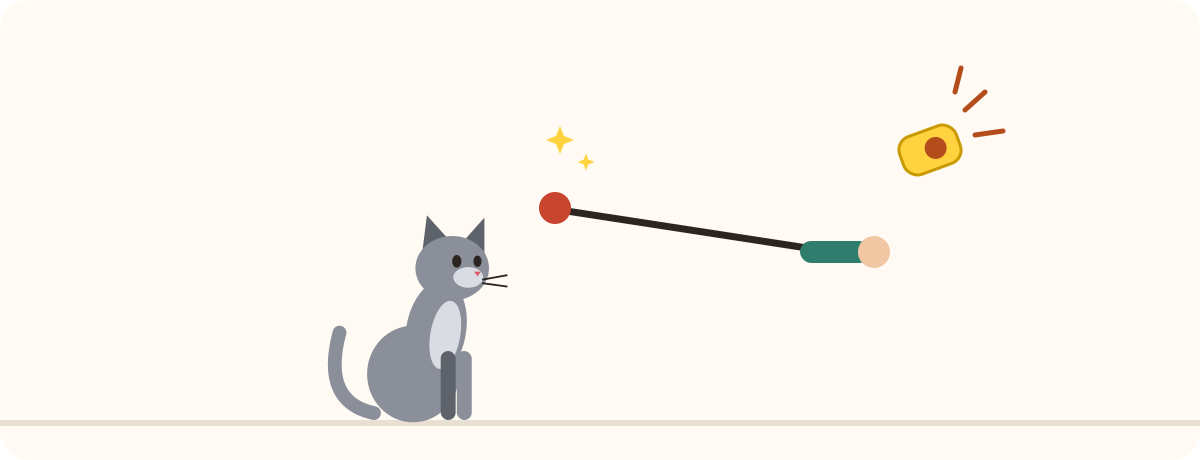
Reward the behaviour you want straight away so that it happens again. Simple, effective and stress-free for your pet.
Read the method →Dog, cat, rabbit, parrot or ferret: discover the training methods that really work, explained step by step, plus the gear that helps you get started.
Every species learns differently. Start with the right guide.
Sit, recall, loose-lead walking, house training, barking: the complete programme from puppy to adult.

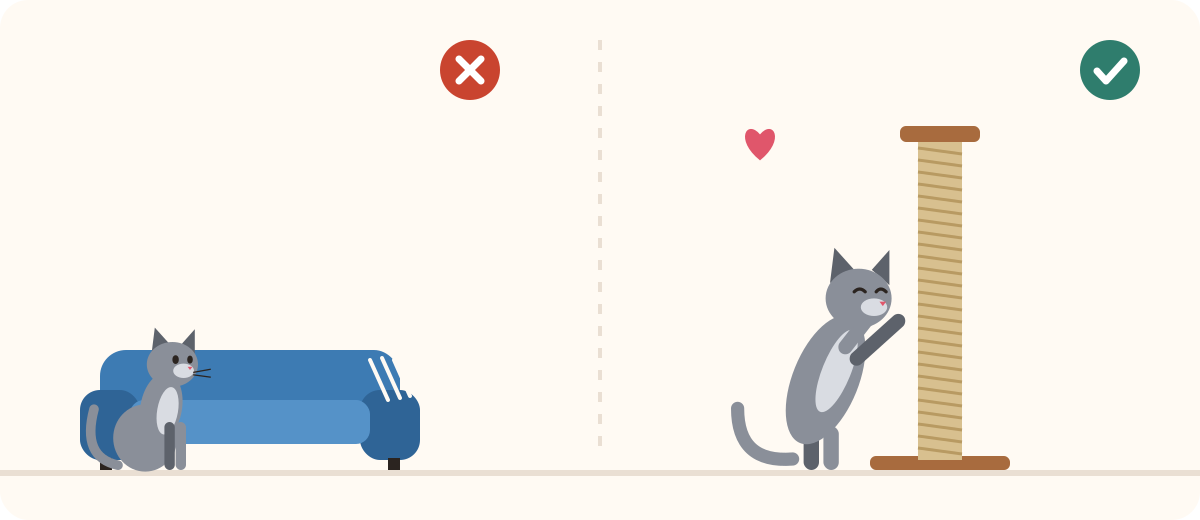
Litter tray, scratching, coming when called, the carrier and clicker tricks.
Litter training, gentle handling and agility games for rabbits, rats and ferrets.
Stepping up onto your hand, targeting, recall to the perch and the model/rival method.
They are backed by animal behaviour research and work with almost every species.
Reward the behaviour you want straight away so that it happens again. Simple, effective and stress-free for your pet.
Read the method →A small “click” marks the exact moment your pet gets it right. Ideal for learning quickly and precisely.
Read the method →Guide your pet into position with a treat, then gradually fade the lure out.
Read the method →The go-to method for fears: noises, the car, other animals, grooming, the vet…
Read the method →Three accessories are enough to start any reward-based method.
A few pounds for a tool that speeds up learning. Choose one with a wrist strap.
Rewards always at hand: that's what makes the difference on walks.
Small, soft and very tasty: your pet eats them in a second and stays focused.

4 questions to get the right methods, articles and gear.
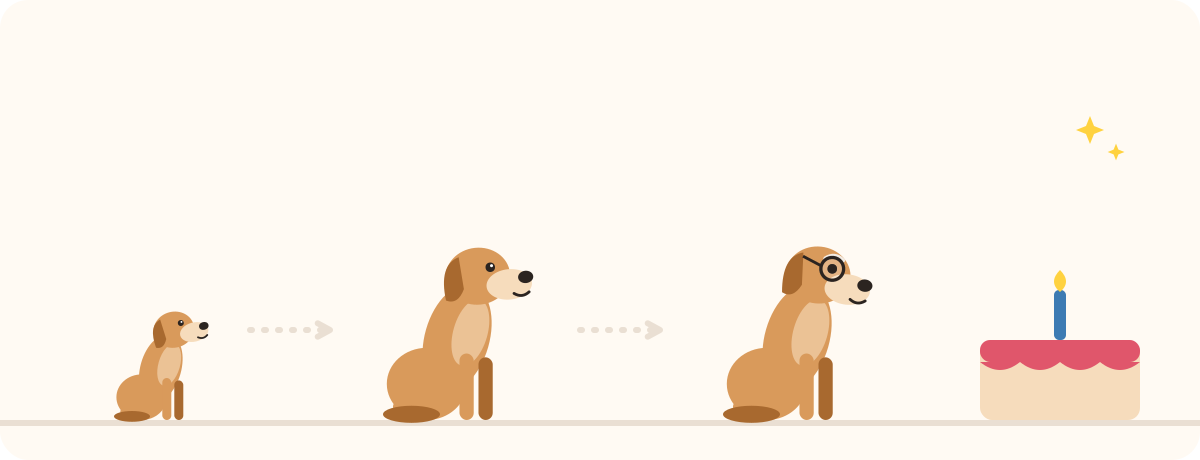
Work out your dog's or cat's age and get tips for its life stage.
🍎Chocolate, banana, cheese… 37 foods checked for your dog and cat.
🐶One exercise a day to lay the foundations gently, to tick off.
💶Your dog's or cat's cost per month, per year and for the first year.
⏱️Every day, a guided session with a timer and progress tracking.
🤔6 questions to find the companion who suits you.
As soon as your pet arrives. A puppy or kitten can learn from 8 weeks old with very short sessions (2 to 5 minutes). Adult and senior animals can keep learning all their lives too.
Two or three 5-minute sessions are better than one 30-minute session. Always stop on a success.
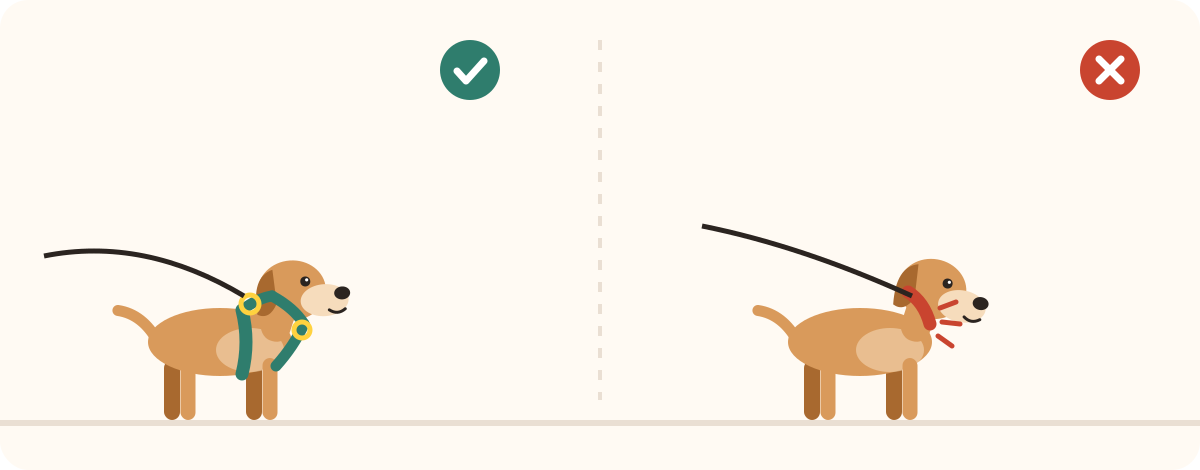
They may stop a behaviour in the moment, but studies show they increase stress, fear and the risk of aggression. Veterinary behaviourists recommend reward-based methods. See why.
For aggression, intense fear, sudden house-soiling or any sudden change in behaviour: see your vet first (pain can be the cause), then a qualified trainer or a veterinary behaviourist.