Welcoming a puppy: the complete checklist (and what to skip)
A puppy's arrival takes some preparation. Having the right supplies from day one prevents mischief, makes house training easier and reassures your puppy. Here's the complete checklist: the essentials, what can wait, and what you can skip buying.
Before you shop: puppy-proof your home
Put electric cables, toxic plants, cleaning products, shoes and anything chewable out of reach. Set up a safe space for the times you can't supervise your puppy: it's the basis of managing the environment, and it saves you from having to scold.
The day-one essentials
Marks out a safe corner where your puppy can play and rest without getting into mischief.
Introduced positively, a crate becomes a favourite retreat and helps with house training at night. Never use it as a punishment.
One for water, always fresh and available, and one for food. Stainless steel is easy to clean.
4. The same food as before they arrived. Ask the breeder or shelter for the brand and quantities: any change of diet should be gradual, over about a week, to avoid digestive upsets. Your vet can advise you on what comes next.
Puppies grow fast: choose an adjustable harness. See our harness comparison.
Between roughly 3 and 6 months, the milk teeth fall out: your puppy needs to chew. Offer suitable toys rather than your hands (see my puppy bites).
Filled with part of their daily food, it keeps your puppy calmly busy and helps them learn to stay alone and to enjoy their crate.
There will be accidents! This cleaner breaks down the smells that would encourage your puppy to go in the same spot again (see puppy house training).
9. An ID tag with your phone number. On top of the compulsory identification (microchip or tattoo), it means you can be contacted straight away if your puppy gets out.
To start training from the first week
A puppy starts learning the moment they arrive. Sessions of 2 to 3 minutes, with rewards, are enough to teach their name, sit and recall. It's all explained in our complete dog guide.
Small and soft, so you can reward often without unbalancing their diet.
To reward within the second, at home and out on walks.
An excellent tool for marking the right behaviour precisely. See our clicker guide.
What can wait a few weeks
- A 5 to 10 m long line, to work on recall outdoors once the vaccinations are done.
- A permanent bed sized for adulthood: your puppy may well chew the first one.
- A brush suited to their coat and nail clippers, introduced very gently, with treats.
- A car safety harness, if you often travel with your puppy.
Pointless purchases (or ones to avoid)
- Puppy pads as a long-term solution: they can help in a pinch, but they teach your puppy to go indoors. It's better to take them out often.
- Choke, prong or shock collars: unnecessary and harmful for puppies and adult dogs alike. Why we advise against them.
- A mountain of toys: 4 or 5 toys that you rotate each week are enough, and they keep the novelty alive.
Go further: puppy house training · my puppy bites: what should I do? · Christmas gift ideas.
Read next
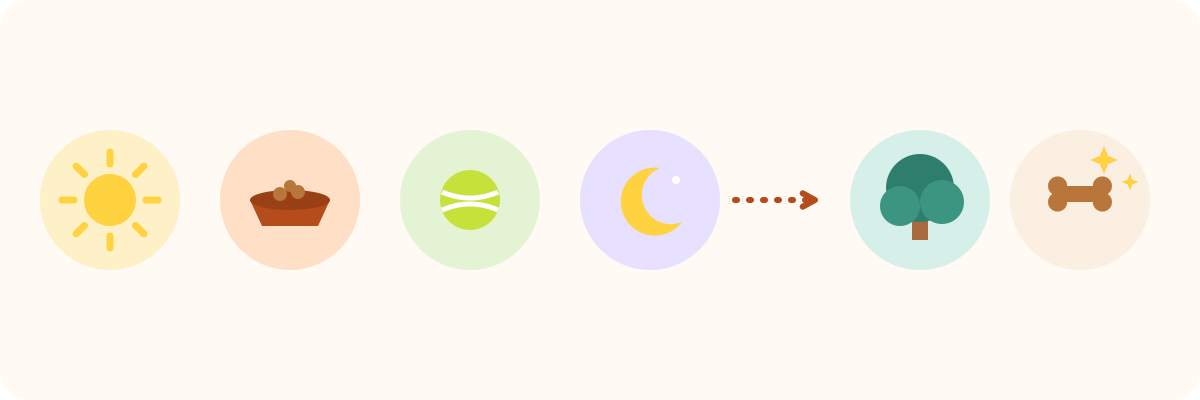
House training your puppy: the method that works
The key moments to go out, rewarding at the right time and the cleaning that prevents repeat accidents.
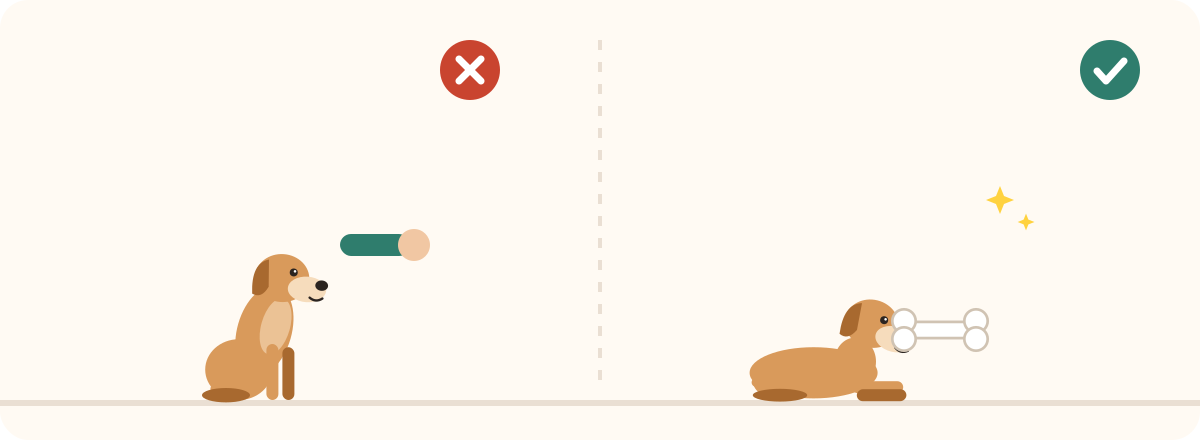
My puppy bites: what should I do?
Teaching bite inhibition, offering the right toys and respecting nap time.
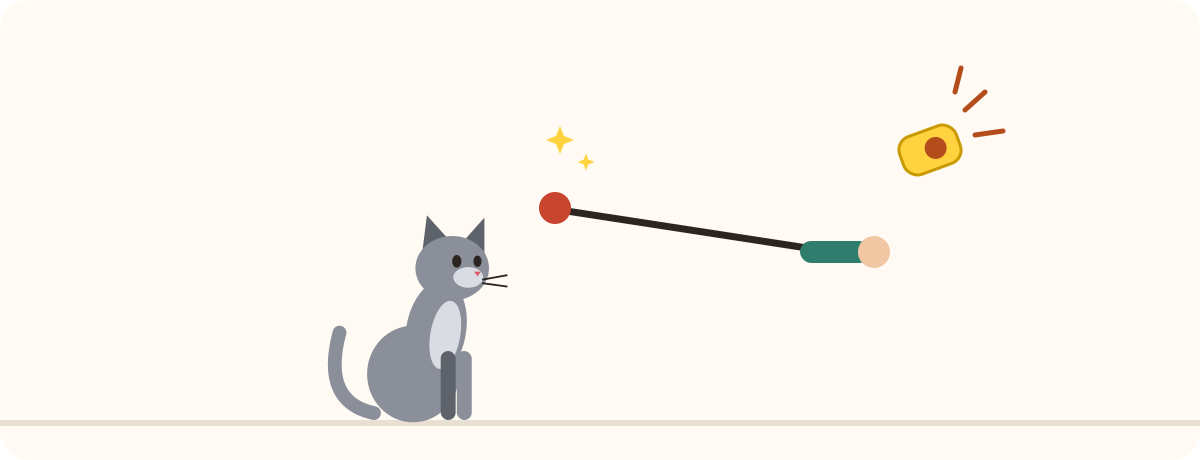
Clicker Training for Beginners: Dogs and Cats
Charging the clicker, first exercises and mistakes to avoid: the step-by-step method for dogs and cats.